
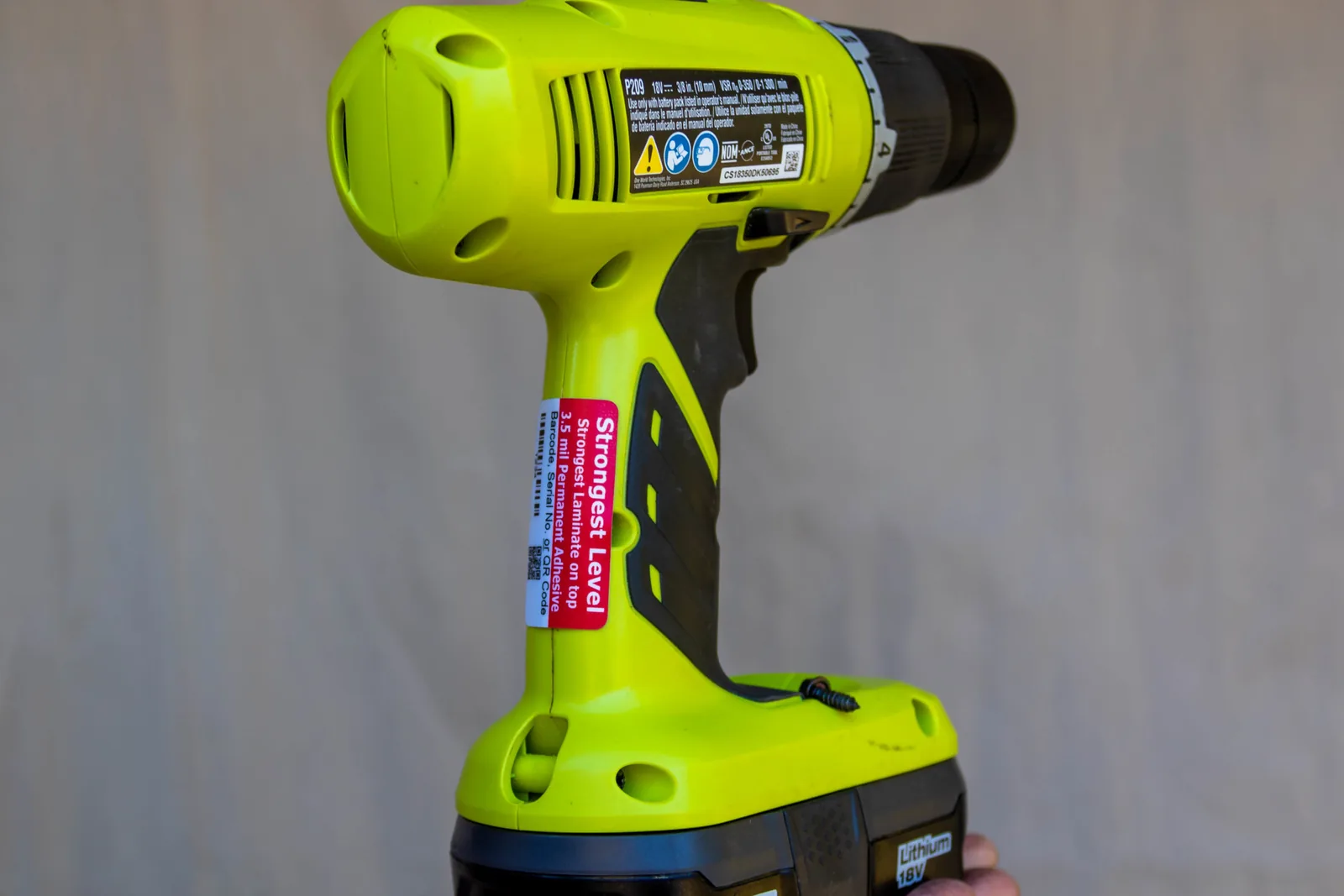
Every asset-tracking program eventually has to pick a primary identification technology. The choice between 1D barcode, QR (2D barcode), and RFID has long-term cost implications. Here is what each one is actually good at.
1D barcodes (Code 128, Code 39)
1D barcodes are the cheapest, most universally readable, and best-understood technology in asset tracking. Every warehouse scanner, retail POS, and laptop webcam can read them. The downsides: low data capacity (typically the asset ID and nothing else), poor scratch tolerance (a single deep scratch breaks the read), and no native phone scanning without a barcode app.
2D barcodes and QR codes
QR and Data Matrix codes pack hundreds of characters in the same footprint and include error correction so they read through partial damage. Every smartphone scans QR natively, which eliminates dedicated scanner cost for small programs. The downside: human-readable serial numbers still need to be printed alongside the code, and dense 2D codes require higher-resolution printing.
RFID and UHF tags
RFID reads without line of sight, at distance, and in bulk. For inventory cycle-counts where you scan 50 items in a pallet at once, RFID is dramatically faster than barcode. The downsides are real: tags cost 10 to 50 times more, readers are expensive, metal and water interfere with read reliability, and the system requires a software stack that can keep up.
The pragmatic recommendation
For most asset-tracking programs in 2026, the best value is a serialized 2D code (QR or Data Matrix) printed on Stronger or Strongest construction. You get smartphone scanning, dense data, error correction, and material durability without the RFID infrastructure cost. Add RFID only where bulk-scan or no-line-of-sight scanning is the binding constraint.